
Why You Feel Low as Summer Ends, and How to Get Ahead of Seasonal Depression
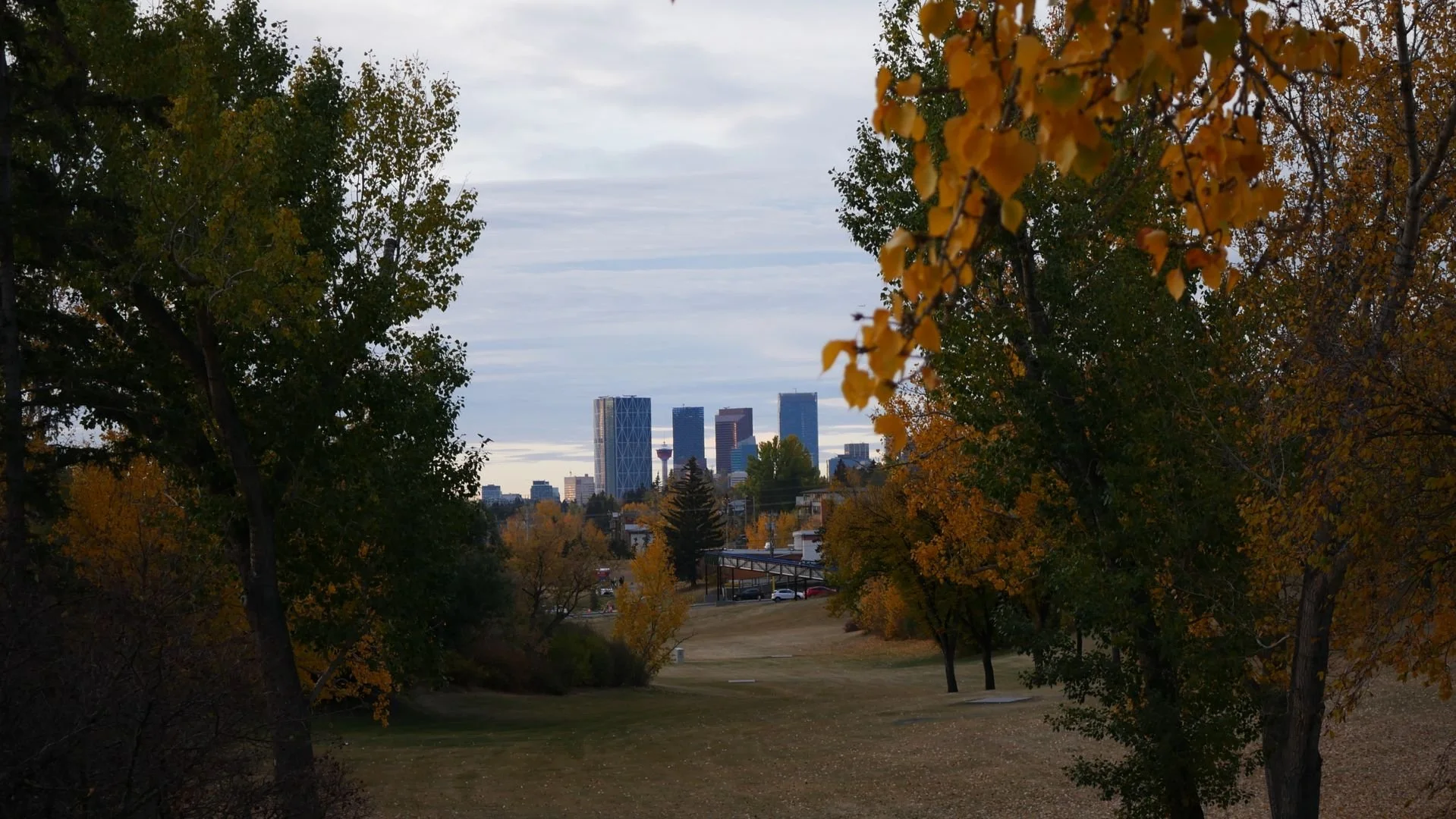
Photo by Les Miller
The end of summer brings a low that is easy to brush off. The days are still warm enough that a dip in mood gets chalked up to being tired, or to missing the long light evenings. For some people that is all it is, a passing case of the end-of-summer blues.
For others, that flat feeling as the light starts fading earlier is the first sign of seasonal affective disorder, a form of depression that follows the seasons and builds as the days keep shortening. It usually gets talked about as a winter problem, but it often starts now, in early fall, when the main thing that has changed is the light. In Alberta, where winter days run short and darkness comes early, this pattern is familiar, and it is something we work through with clients across the province by telephone and video.
What follows is how to tell an ordinary end-of-summer low from seasonal affective disorder, why shorter days pull your mood down, and what helps most when you start early.
Table of Contents
- What is Seasonal Affective Disorder (SAD)?
- Why Do I Feel Depressed or Low as Summer Ends?
- Why Shorter Days Affect Your Mood
- What Are the Symptoms of Seasonal Affective Disorder?
- Who is at Risk for Seasonal Affective Disorder?
- When is Seasonal Depression More Than the Winter Blues?
- What Helps You Get Ahead of Seasonal Affective Disorder
- Seasonal Affective Disorder Counselling in Alberta
- Common Questions About Seasonal Affective Disorder
What is Seasonal Affective Disorder (SAD)?
Seasonal affective disorder (SAD) is a type of depression that follows a seasonal pattern, most often starting in the fall, deepening through winter, and easing in spring. It is the same condition as ordinary depression, following a seasonal schedule and tied to the change in daylight rather than to events in your life.
The condition was first described by psychiatrist Norman Rosenthal and his colleagues in 1984, and it is now recognized as a seasonal pattern of major depression. The winter type is by far the most common. There is also a rarer summer type, which looks different and is covered below.
Seasonal Affective Disorder vs. the Winter Blues
It helps to separate three things people often blur together. The winter blues is a mild, common dip that does not derail your life. Seasonal affective disorder is clinical depression on a seasonal timetable that does interfere with functioning. And ordinary end-of-summer wistfulness, the plain sadness of a good season ending, is not a disorder at all. Knowing which one you are dealing with changes what you do about it.
Can Seasonal Affective Disorder Start in Late Summer?
Yes. Although SAD is thought of as a winter condition, the shift in daylight that sets it off begins in late summer and early fall, so symptoms can start well before the cold does. For people with a winter pattern, that early dip is often the first sign the season is turning, which is why getting ahead of it now matters. The section below goes deeper into why the end of summer specifically can pull your mood down.
Why Do I Feel Depressed or Low as Summer Ends?
The end-of-summer version catches people off guard because nothing obvious has gone wrong. The weather is still decent, but the evenings are pulling in, and your body clock notices the light changing before your calendar does. For some people that registers as a faint drop in mood and energy. For those prone to seasonal affective disorder, it is the first slope of a longer decline.
Part of what you feel now is anticipatory. The shift in light is a cue, and if past winters have been hard, your system braces. That bracing is worth paying attention to, because the seasonal dip is far easier to soften early than to climb out of in January.
Telling the two apart is mostly about weight and duration. A wistful "summer's over" mood lifts on its own within a week or two and does not touch how you sleep, eat, or function. A seasonal low that keeps deepening, drags on your energy, and changes your sleep or appetite is worth taking more seriously.
Why Shorter Days Affect Your Mood
The short answer is light. Less daylight, especially in the morning, appears to disrupt the body's internal clock and the chemistry that runs on it. Researchers link seasonal affective disorder to a few connected changes rather than a single switch.
The Role of Light, Melatonin, Serotonin, and Your Circadian Rhythm
One is melatonin, the hormone that makes you sleepy. In winter-pattern SAD the body tends to produce more of it and at the wrong times. In clinical practice, this is the part people describe as waking up already foggy and unable to get going: the melatonin has not switched off on schedule, so the body is still being told it is night. Another is serotonin, a brain chemical involved in mood, which appears to be harder to regulate when daylight is scarce. Vitamin D, which your skin makes from sunlight, is also lower in winter, though the evidence on whether that directly drives SAD is mixed.
Underneath all of it is your circadian rhythm, the roughly 24-hour clock that times sleep, energy, and mood to the light around you. When the light signal weakens and shifts later, that clock drifts, and mood tends to drift with it. This is why the fix is not simply willpower; you are working against a biological rhythm that has lost its strongest cue.
What Are the Symptoms of Seasonal Affective Disorder?
The symptoms are the symptoms of depression, with a seasonal shape and a few features that point specifically to the winter type.
Emotional and Cognitive Symptoms of SAD
Low mood that lingers most of the day, most days, is the core of it. Alongside it people often notice a loss of interest in things they usually enjoy, trouble concentrating, and a heavier, more hopeless tone to their thinking. Irritability and a sense of pulling back from people are common, and they tend to build slowly enough that you can miss the pattern until you look back over a few weeks.
Physical Symptoms of Winter-Pattern SAD
Winter-pattern SAD has a distinctive physical signature. Rather than the poor sleep and appetite loss of many depressions, it often brings the opposite: sleeping more than usual and still feeling unrested, a heavy fatigue that makes ordinary tasks feel like more, and a pull toward carbohydrates and sweets that can come with weight gain. If you find yourself oversleeping and craving comfort food every winter, that combination is a recognizable SAD presentation, not a lack of discipline.
What Does Summer-Pattern SAD Look Like?
A smaller group experiences the seasonal pattern in reverse, with a low that arrives in spring or summer and lifts in the cooler months. Summer-pattern SAD tends to look different: trouble sleeping, reduced appetite and weight loss, restlessness or agitation, and more anxiety. If your hardest stretch is the height of summer rather than the depth of winter, you are not misreading yourself, and the same idea applies, which is that the timing is a clue worth bringing to a professional.
Who is at Risk for Seasonal Affective Disorder?
Seasonal affective disorder is more common than people expect, and some patterns hold. In Canada, research puts the milder winter blues at around 15 percent of people and seasonal affective disorder itself at roughly 2 to 6 percent, with the odds rising the farther you live from the equator. The same review notes about 1 percent of people in Florida compared with roughly 9 percent in Alaska, which is the latitude effect in one line.
It runs about four times more often in women than in men, and it usually first appears between the ages of 18 and 30, which puts students and young adults squarely in range. A family history of depression, bipolar disorder, or SAD raises the odds, and people with bipolar disorder can see a seasonal shape to their episodes. Living at a northern latitude is its own risk factor, which is part of why this matters in Alberta, where the winter days are genuinely short.
When is Seasonal Depression More Than the Winter Blues?
When to Get Professional Help for Seasonal Depression
A mild seasonal dip is common and manageable on your own. It becomes worth professional attention when the low settles in for weeks, when it clearly changes your sleep, appetite, or ability to get through a normal day, or when it comes back the same way year after year. Thoughts of hopelessness that go beyond a passing bad week are a clear reason to reach out.
A few other things can look like seasonal affective disorder and are worth ruling out with a doctor: an underactive thyroid, low iron, and non-seasonal depression that happens to worsen in winter. If low mood swings into unusually high energy at other times of year, that is worth mentioning too, since it points toward a different pattern. Naming the timing accurately is what lets the right treatment get chosen.
If you are ever having thoughts of suicide, this moves past the scope of self-help. You can call or text 9-8-8, the Suicide Crisis Helpline, free and any time, and in Alberta the Mental Health Help Line at 1-877-303-2642 is available 24 hours a day.
What Helps You Get Ahead of Seasonal Affective Disorder
Seasonal affective disorder is one of the more treatable forms of depression, partly because its trigger is predictable. Three approaches have the strongest evidence, and they work well together.
Light therapy is the classic first-line tool: daily exposure to a bright light box, usually around 10,000 lux for 20 to 30 minutes in the morning through the darker months (protocols range from roughly 20 to 60 minutes). A large Canadian trial, the CAN-SAD study led by Raymond Lam, found light therapy and the antidepressant fluoxetine about equally effective for winter SAD, so medication through a physician is a reasonable route too, especially for more severe cases. For someone with a severe, reliable yearly pattern, a doctor may also start a preventive antidepressant before symptoms begin; bupropion in its extended-release form is approved specifically to prevent seasonal depression episodes.
Talk therapy earns a specific mention here. In a randomized trial, psychologist Kelly Rohan and colleagues found that a version of cognitive behavioural therapy built for SAD (CBT-SAD) worked about as well as light therapy in the first winter, and that two winters later the people who had done CBT had fewer and less severe recurrences. That durability is the appeal: light therapy works while you use it, and CBT-SAD aims to change the thinking and habits that make winter harder, so the gains carry forward. The practical tools below draw on all three.
Get Morning Light First Thing
This is the single highest-leverage habit, and it is free if you use daylight. Within an hour of waking, get bright light into your eyes for 20 to 30 minutes: step outside even under cloud, or sit near a 10,000-lux light box positioned off to the side rather than stared at directly. Do it at about the same time every day, starting now, before the dip deepens. If mornings are too rushed or too dark to manage it, a dawn simulator, a bedside light that brightens gradually before your alarm, is an evidence-backed alternative.
It works because morning light is the strongest signal your circadian clock has. It pushes the internal clock earlier and dials back the excess morning melatonin that leaves you groggy, which is the exact mechanism the winter shift disrupts. One caution: bright light can occasionally trigger an upswing into mania for people with bipolar disorder and is not right for some eye conditions, so check with a professional first if either applies to you.
Interrupt the Winter Shutdown with One Kept Plan
The cruel logic of a seasonal low is that it makes you want to cancel exactly the things that would help. You stay in, you see fewer people, the world shrinks, and the low feeds on the withdrawal. This is the loop CBT-SAD targets directly.
Try a when-then rule: "When I catch myself cancelling a plan because it is dark and cold, then I keep one thing on the calendar that gets me out and around other people." It does not have to be big. A walk with a friend or a coffee out counts. A daytime walk outdoors does double duty here, since it combines movement, which lifts mood on its own, with the daylight your body clock is short on. The point is to break the automatic link between low motivation and total retreat, because behavioural activation, doing the thing before you feel like it, is one of the most reliable ways to lift mood that the research has. Steadying these patterns is also where emotion regulation work often begins in therapy.
Anchor Your Wake Time
If you do one small thing for your body clock, hold a steady wake time. Pick a get-up time you can keep within about half an hour every day, weekends included, and turn on bright light the moment you are up.
This takes under five minutes to decide and sets the rhythm for the whole day. A consistent wake time plus immediate light is the clearest daily instruction you can give a clock that is trying to drift later through winter. Irregular schedules, sleeping in on dark mornings, and late nights all pull the other way and tend to deepen the seasonal slump.
Seasonal Affective Disorder Counselling in Alberta
If the low that comes with shorter days is affecting your sleep, your energy, your relationships, or your ability to get through the day, it is worth taking seriously rather than waiting it out. People often reach out when the same winter pattern has repeated for a few years, when light therapy alone has not been enough, or when the season starts eating into work and motivation. At The Mental Health Clinic, our therapists work with individuals across Alberta by telephone and video, using cognitive behavioural therapy adapted for seasonal depression to change the habits and thinking that make winter harder, alongside whatever light therapy or medical treatment fits your situation. Counselling can help you build a plan before the darkest months arrive, not just cope once you are in them. You do not have to wait until you are at the bottom of the season to get support.
Common Questions About Seasonal Affective Disorder
Why Do I Feel Depressed When Summer Ends?
Because your body clock responds to the shortening days before winter arrives. The fading evening light shifts melatonin and disrupts your circadian rhythm, which can start pulling mood and energy down in late summer and early fall. For people prone to SAD, that end-of-summer flatness is often the edge of the seasonal pattern.
Is Seasonal Affective Disorder a Real Diagnosis?
It is a recognized seasonal pattern of major depression, not a figure of speech. The winter blues is a milder, common dip that does not derail daily life, while seasonal affective disorder meets the threshold for clinical depression and interferes with functioning. The difference is severity and impact, not whether it is real.
Can Therapy Help With SAD?
Therapy helps, and for some people it outlasts a light box. A form of cognitive behavioural therapy built for SAD works about as well as light therapy in the moment and tends to hold up better in the winters that follow, because it changes the patterns that make the season harder. Many people use both, and a therapist can help you decide the mix.
Do Light Therapy Lamps Work for SAD?
Yes, for most people with winter-pattern SAD. Daily morning exposure to a 10,000-lux light box is a well-supported first-line treatment for winter-pattern SAD, and a Canadian trial found it about as effective as an antidepressant. It works best used consistently through the darker months and started early, and it is not suitable for everyone, so it is worth a quick check with a professional if you have bipolar disorder or an eye condition.
How Do I Get Help for Seasonal Depression in Alberta?
Because The Mental Health Clinic works by telephone and video, you can access counselling for seasonal depression from anywhere in Alberta, including smaller and northern communities where winters are longest and local options are thin. A therapist can help you set up a seasonal plan, and your family doctor can advise on light therapy or medication. Starting in early fall, before the deep dark, tends to work better than waiting until midwinter.
When Should I See a Professional for Seasonal Depression?
When the low has lasted more than two weeks, when it is clearly affecting your sleep, appetite, work, or relationships, or when it returns every year, it is worth talking to someone. You do not need to be at your worst to justify it. If you are having thoughts of suicide, treat it as urgent and reach out to a crisis line or your doctor right away.
Educational Disclaimer
This article is for educational purposes only and is not a substitute for professional medical advice, diagnosis, or treatment. If you're experiencing mental health concerns that interfere with your daily functioning, please reach out to a qualified mental health professional. If you're in crisis, contact your local crisis line or emergency services immediately.
