

Unequal Household Responsibilities and Why One Person Does Everything
When one person is always remembering the appointments, managing the schedules, noticing what needs to be done, and reminding everyone else, the exhaustion can run much deeper than a busy day.
Our latest article looks at the invisible work behind running a household, why it can lead to resentment and burnout, and practical ways to share the responsibility more fairly.

How to Support Someone Who's Struggling and What Not to Say
Supporting someone who is struggling can be difficult when you are worried about saying the wrong thing. Learn what to say, what to avoid, how to respond when someone says they’re fine or doesn’t want help, and when a situation may require more support.
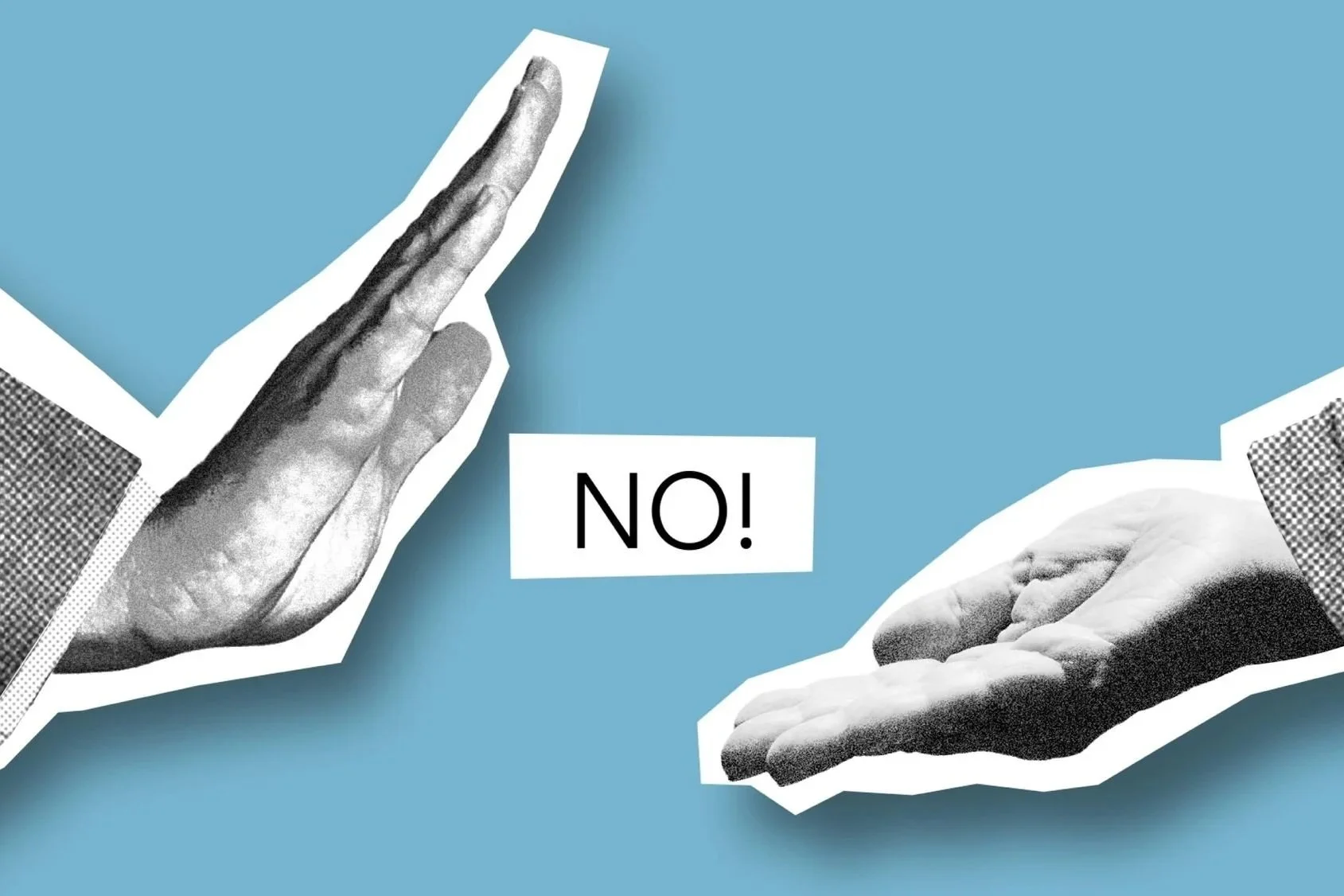
Rejection Sensitivity: Why Small Criticism Feels So Painful and What Can Help
Why can a small criticism, correction, delayed response, or change in someone’s tone feel so painful?
Rejection sensitivity can turn everyday feedback and uncertainty into intense shame, anxiety, rumination, or a strong fear that rejection is coming. It can affect how you respond at work, school, in friendships, dating, and other relationships.
Learn why the reaction can feel so immediate, how rejection sensitivity develops, and what can help you respond without letting one moment take over your entire day.
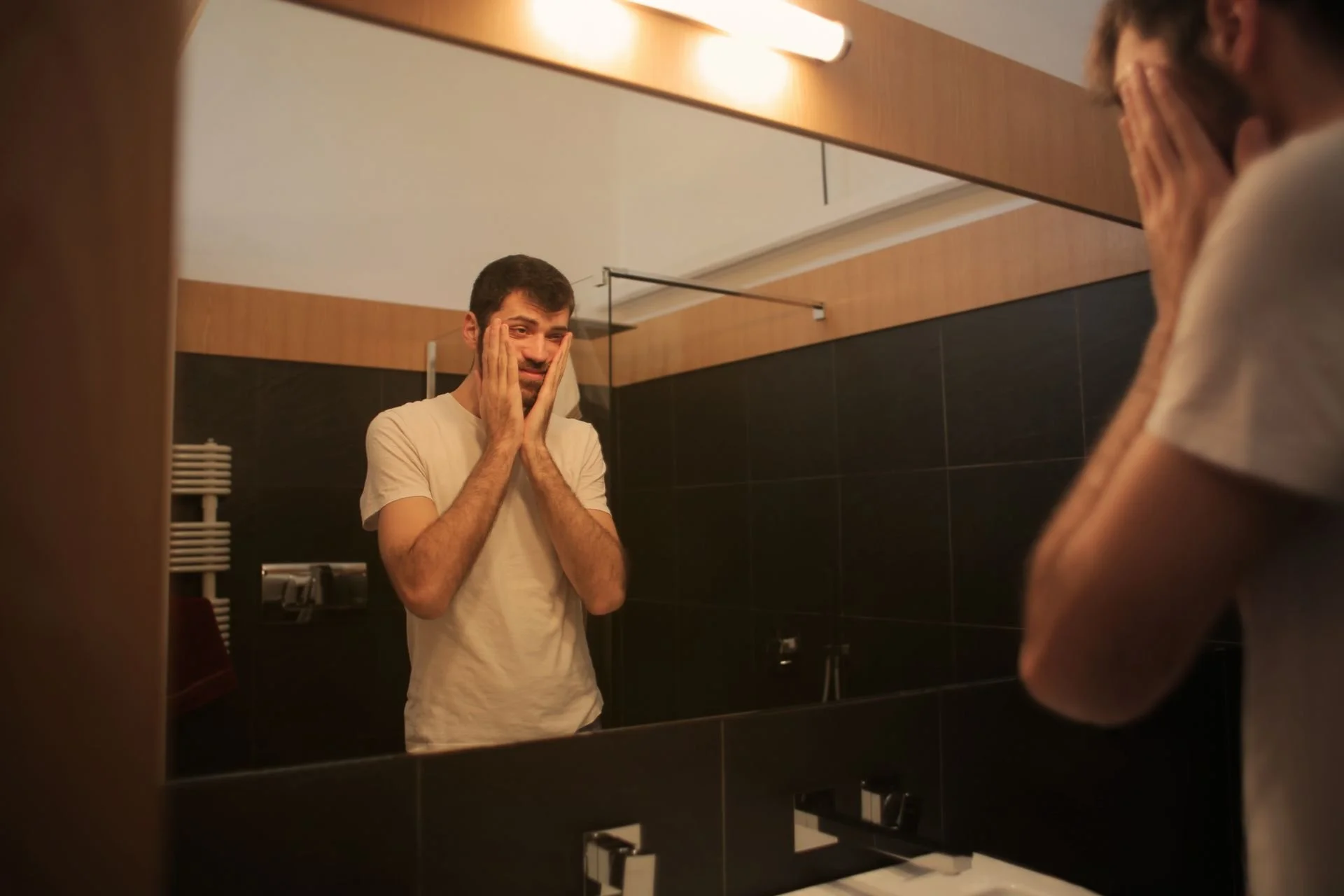
How to Stop Being So Hard on Yourself and Build Self-Compassion
Self-compassion is one of the most researched skills in psychology, yet it is often misunderstood. If you constantly judge yourself, struggle to move past mistakes, or feel like nothing you do is ever good enough, this article explains why and offers practical strategies to help you respond differently.

Signs and Causes of Codependency and How to Stop Losing Yourself in Relationships
Do you often put other people's desires ahead of your own? Codependency is more than being caring or dependable. It is a learned relationship pattern that can leave you disconnected from your own wants, boundaries, and sense of self. Learn the signs, why it develops, and practical steps you can take to build healthier relationships.

Anticipatory Anxiety: The Back-to-School Dread That Starts Weeks Before
Back-to-school anxiety often begins weeks before the first day. Learn why anxiety about the future feels so overwhelming, why avoidance makes it worse, and practical strategies that help children, teens, and adults.

Struggling With Adult Friendships? Here’s How to Make Friends as an Adult
Making friends as an adult is harder than it used to be, and it is not a personal failing. Learn why adult friendship stalls, the number of hours it actually takes, and practical ways to build new connections.

How Spending Time in Nature Improves Mental Health
Discover how spending time in nature can improve mental health, reduce stress, ease overthinking, and support better mood. Learn how much time outside you need and practical ways to fit it into your week.

Body Image in Summer: Why You Feel More Exposed
Summer often brings more than warmer weather. It can also bring a heightened awareness of how visible our bodies feel. This article explores why body image often becomes more difficult during the summer months, the psychology behind self-consciousness and comparison, and why the relationship we have with our bodies matters more than appearance alone.

How to Say No Without Feeling Guilty: Setting Healthy Boundaries
Saying yes when you want to say no often brings resentment. Saying no can bring guilt. Feeling caught between those two experiences is more common than people realize. This article explores why guilt shows up after setting a boundary and how you can learn to say no with greater confidence.

What is a People Pleaser? Signs, Causes, and the Toll it Takes
Always putting others first can look like kindness from the outside. Over time, it can also leave you feeling exhausted, resentful, and disconnected from your own needs. Learn what people-pleasing really is, where it comes from, and how healthier boundaries can begin to change the pattern.

What is Masking? How Hiding Who You Are Affects Mental Health
Masking is more common than many people realize.
It involves hiding, softening, or changing parts of yourself to fit in, avoid judgment, or feel accepted. While masking can help people navigate difficult situations, carrying that burden for too long can affect mental, emotional, and physical health.
In this article, we explore why people mask, who is most likely to do it, and how long-term masking can contribute to anxiety, burnout, emotional exhaustion, and a loss of connection with your authentic self.