
Online Counselling in Alberta
Support should reach you, not the other way around.
You have been dealing with something for a while, and getting professional support has stayed on your list longer than it should have. The problem has not been willingness. It has been access: the distance to the nearest clinic, the schedule that rules out midday appointments, the waiting lists measured in months. Virtual therapy removes those specific barriers without reducing the quality of care you receive.
Working with a registered therapist through secure video or telephone is clinically effective. You get the same structured, evidence-based support as any professional setting, from wherever you are in Alberta.

Alberta
insurance plans
required
A Format That Fits Your Life, Whatever That Looks Like
Whether in-person care is not practical where you live, or virtual simply suits you better, online counselling delivers the same quality of clinical support either way.
Far from the City
You live a long drive from the nearest registered therapist, and that distance has quietly become the reason support keeps getting postponed.
Scheduling That Does Not Work
Your work hours, shift rotations, or caregiving responsibilities make getting to a clinic during business hours close to impossible most weeks.
Privacy in a Small Community
In your town, running into someone you know at a therapist's office is not unlikely, and that specific concern has kept you from going.
Waitlists That Go Nowhere
You have looked for in-person support before and been told the wait is months. Long enough that you stopped trying.
Caregiving Responsibilities
You are responsible for children or another family member, and leaving for regular appointments is not something your current situation allows.
Mobility or Health Barriers
Getting out of the house on harder days is part of what makes asking for help feel impossible, which is precisely when support is most needed.
What is Online Counselling?
Online counselling is more than a video call with a therapist.
Online counselling is structured, professionally delivered mental health support provided through secure video or telephone sessions.
It covers the same range of concerns, uses the same evidence-based approaches, and is delivered by therapists with equivalent training and experience as any clinic-based setting. The session happens on your screen or through your phone; the clinical quality and the therapeutic work are identical.
Treatment focuses on identifying the specific thoughts, patterns, and responses maintaining what you are dealing with, whether anxiety, depression, relationship difficulties, grief, trauma, or sustained workplace stress. The work is tailored to your situation and adjusted as sessions progress.
Online counselling becomes most significant when geography, scheduling, or physical access has been what kept professional support out of reach, and you have been managing without it for longer than was reasonable.
Clinical Equivalence
Research supports online therapy as equally effective for most concerns.
Decades of peer-reviewed research show video therapy as well as telephone therapy produce outcomes comparable to in-person sessions across anxiety, depression, trauma, and relationship difficulties. The format changes; the clinical quality does not.
Therapeutic Relationship
The client-therapist alliance develops just as effectively online.
Clinical research consistently identifies the therapeutic relationship as the strongest predictor of treatment outcomes. That relationship forms equally well through video counselling and telephone counselling. Being in the same room is not a prerequisite.
Geographic Reach
Where you live should not determine whether you access a qualified therapist.
Rural and remote Alberta communities are significantly underserved by in-person services. Online counselling extends access to registered, experienced therapists to anyone with a telephone or internet connection.
Why Professional Support Matters
Apps and self-help resources are not a clinical substitute.
When something has been affecting your functioning for weeks or months, structured treatment with a registered therapist produces changes that self-management alone cannot. A qualified therapist provides assessment, a coherent treatment framework, and professional oversight across sessions.
No formal diagnosis required. If this has been affecting your quality of life, that is a sufficient reason to reach out.

You do not have to keep working around a system that was not built to reach you.
Types of Counselling We Offer Online in Alberta
Conditions we treat through virtual therapy.
The categories below represent some of the most common presentations we work with. Each covers a wide range of related conditions, experiences, and severity levels that fall within it.
Many conditions do not fit neatly into a single category, and we treat a significant number of concerns that sit across or outside these groupings entirely. If you do not see your situation named here, that is not a reason to rule us out.
We provide treatment for adults, teens (13+), couples, and families.
Anxiety and Worry
Generalised anxiety, panic disorder, social anxiety, phobias, and health anxiety among others.
Depression and Low Mood
Major depression, persistent low mood, postpartum depression, and seasonal affective disorder.
Trauma and PTSD
Single-incident trauma, complex trauma, childhood trauma, and post-traumatic stress responses.
OCD and Intrusive Thoughts
Obsessive-compulsive disorder and related conditions, classified as a distinct category in the DSM-5.
Grief and Loss
Bereavement, complicated grief, loss of identity or relationship, and adjustment after significant change.
Work Stress and Burnout
Chronic occupational stress, emotional exhaustion, and the sustained impact of workplace pressure.
Anger and Emotion Regulation
Difficulty managing emotional responses, persistent anger, and reactions that feel disproportionate or out of control.
Life Transitions and Adjustment
Divorce, career change, relocation, retirement, and identity shifts that do not carry a clinical label but carry real weight.
Not sure which type of counselling fits?
If you do not see your situation named here, that is not a reason to rule us out. The free consultation is the right place to start.
How Online Counselling Helps
Therapy helps you change the patterns that have been keeping you stuck.
The goal of online counselling is to change your relationship with what you are experiencing and to reduce the hold it has over your daily decisions and functioning.
Effective online counselling reduces the specific weight you have been carrying, whether that is anxiety that limits you, a low mood that has lasted too long, relationship stress that keeps cycling, or work pressure that has started to affect everything else.
Assessment in a Setting You Control
Being at home often makes it easier to speak openly. Your therapist understands your situation, how long it has been going on, and what has or has not helped.
A Plan Built Around Your Life
Evenings and weekends available upon request. Treatment fits around your work, family, and responsibilities rather than disrupting them.
Working Through What Maintains It
Therapy addresses the patterns around the difficulty: how you think about it, how you respond, and what you have started avoiding.
Applying Skills in Your Actual Context
Between sessions, you apply what your therapist introduces in the real situations where the difficulty shows up.
Maintaining What You Have Built
Sessions shift to consolidation as progress develops. The goal is durable change that holds after therapy ends.

Online counselling means this work fits around your schedule, your location, and your responsibilities.
Evening and weekend appointments are available.
Why Choose The Mental Health Clinic for Online Counselling in Alberta
Experienced therapists. Real support. Lasting change.
When you are considering therapy for the first time, or returning after a difficult experience, who you work with matters more than anything else. Every decision we make at this clinic, from how we hire to how we structure caseloads, is built around one thing: making sure the person you speak with is genuinely equipped to help you.
Experienced Alberta Therapists
Every therapist has a minimum of ten years of clinical experience. No newly registered therapists. Manageable caseloads throughout.
Evidence-Based Care
We use approaches with a proven clinical research base. If a technique does not have evidence behind it, it is not used here.
Personalised Treatment
Your treatment is built around your goals and your specific situation. There is no standardised programme every client works through.
No Waitlists
Evening and weekend appointments available. You do not have to wait months before starting with an experienced therapist.
Online Across Alberta
Secure video and telephone sessions available to clients anywhere in Alberta, including rural and remote communities.
Insurance-Friendly
Most extended health benefit plans accepted. Receipts provided after each session. No referral from a doctor required.
Our Team of Alberta Therapists Are Here to Support You
-

AMY
-

KAREN
-

RONALD
-
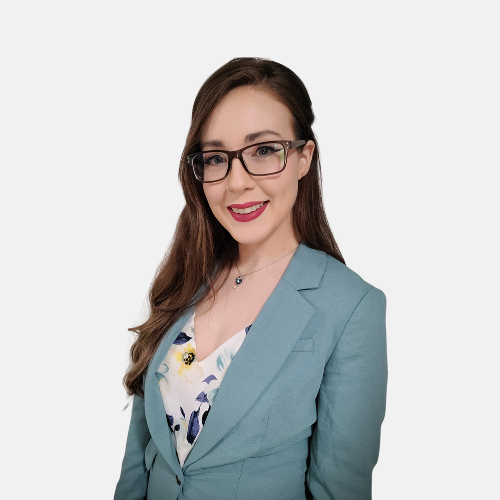
SAMANTHA
What to Expect
A clear process. A pace that fits you.
Free 20-Minute Consultation
A relaxed call to discuss what has been happening. Ask questions, assess fit. No paperwork or need to prepare.
Personalised Treatment Plan
Explore history, patterns, and goals together. Build a plan specific to your situation, not adapted from a standard template.
Therapy Sessions That Work
Collaborative sessions focused on practical skills and real change. You leave each session with something concrete to take into the week.
Ongoing Support and Growth
Track progress, adjust the approach as needed, and consolidate the changes you make so they hold over time.
Therapy is not one-size-fits-all. Your plan is built around you.
Frequently Asked Questions About Online Counselling
-
Decades of clinical research consistently show that video and telephone counselling produce outcomes comparable to in-person therapy for most mental health concerns, including anxiety, depression, trauma, and relationship difficulties. The format is different; the therapeutic relationship and the effectiveness of structured treatment are not. Most clients report no meaningful difference in how supported they feel.
-
For video, you need a smartphone, tablet, or computer with a working camera and a reliable internet connection. Sessions run through a secure, encrypted platform and nothing needs to be downloaded in advance. If video is not workable on a given day, telephone sessions are available for every appointment.
-
Yes. You can use video for one session and telephone for another based on what is practical that week. The format does not need to be consistent across your treatment. Your therapist is experienced working in both, and the clinical work continues without disruption regardless of which you choose.
-
No. Most people who book a consultation cannot clearly articulate what is wrong, only that something has been off for a while. Part of what a therapist does in early sessions is help you identify what is actually happening and what is worth focusing on. You do not need to arrive with a prepared summary or a defined goal.
-
The free 20-minute consultation is designed to answer exactly that question. You describe what has been happening, ask anything you need to, and the therapist will give you an honest assessment of whether online counselling is likely to help and whether The Mental Health Clinic is the right place for you.
-
Yes. But please note that we are a private practice. Session fees are paid at the time of your appointment and we provide a receipt you can submit directly to your insurance provider for reimbursement. Most extended health insurance plans cover counselling services, though coverage amounts vary by plan. We recommend confirming your specific coverage with your provider before booking.